God Is the Act of Being. You Are the Echo.
Most of us spend our lives trying to prove we exist.
We fill calendars.
Build identities.
Accumulate accomplishments.
Curate images.
Defend opinions.
Chase recognition.
And beneath all of it lives a quieter ache:
Do I matter?
Am I real?
Am I loved?
The mystics answer these questions differently than the modern world.
They begin not with the self, but with God.
God is not merely a being among other beings. God is the ground of Being itself — the infinite wellspring continuously giving existence to everything that exists. Every breath, every heartbeat, every atom, every sunrise is held within the ongoing generosity of divine presence.
As Meister Eckhart suggested, if God ceased speaking your name in love for even a moment, you would disappear entirely.
You are not self-sustaining.
You are spoken.
Creation itself is echo.
The Franciscan tradition sees the world sacramentally: all things emerging from God, revealing God, and returning toward God. Bonaventure called creation “the footprint of God.” The Celtic saints spoke of “thin places” where eternity seems to shimmer through ordinary life.
But contemplation reveals something even more intimate:
You are not separate from this divine movement.
You participate in it.
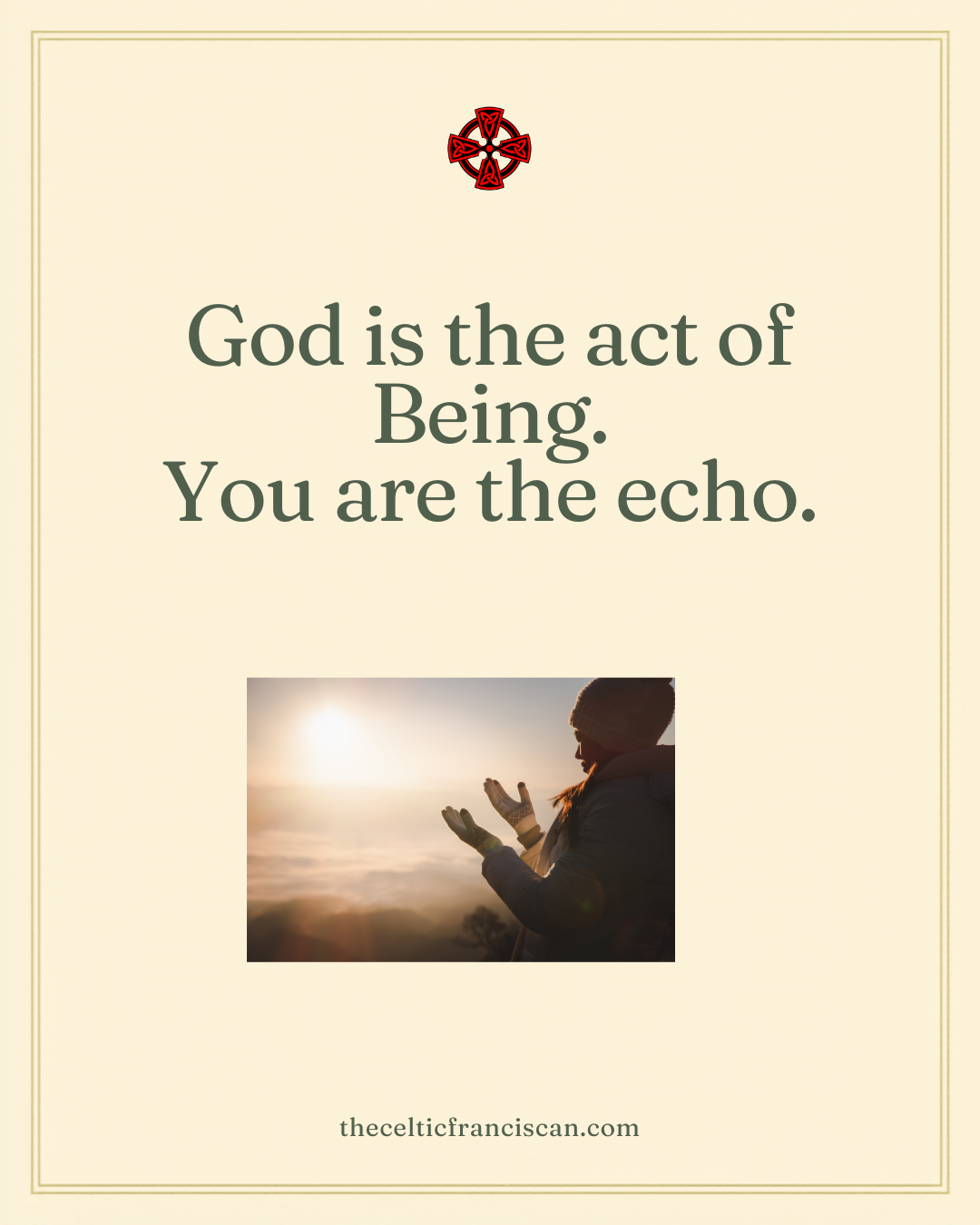
The image above captures this beautifully — a human figure standing before light, hands open in reverence, receiving rather than grasping. Spiritual awakening often begins there: not in control, but in surrender.
Modern culture trains us to think of ourselves as isolated individuals constructing identity through performance and consumption. But the contemplative tradition invites us into a deeper truth:
We do not manufacture being.
We receive it.
As I’ve referenced elsewhere:
“God is pure being in the act of being pure being and every other being is a being in the act of being a being.”
That realization changes how we relate to everything.
If existence itself is gift, then gratitude becomes the most truthful posture.
If being is sustained by love, then fear loosens its grip.
If we are echoes of divine generosity, then our lives become invitations to reflect that love outward.
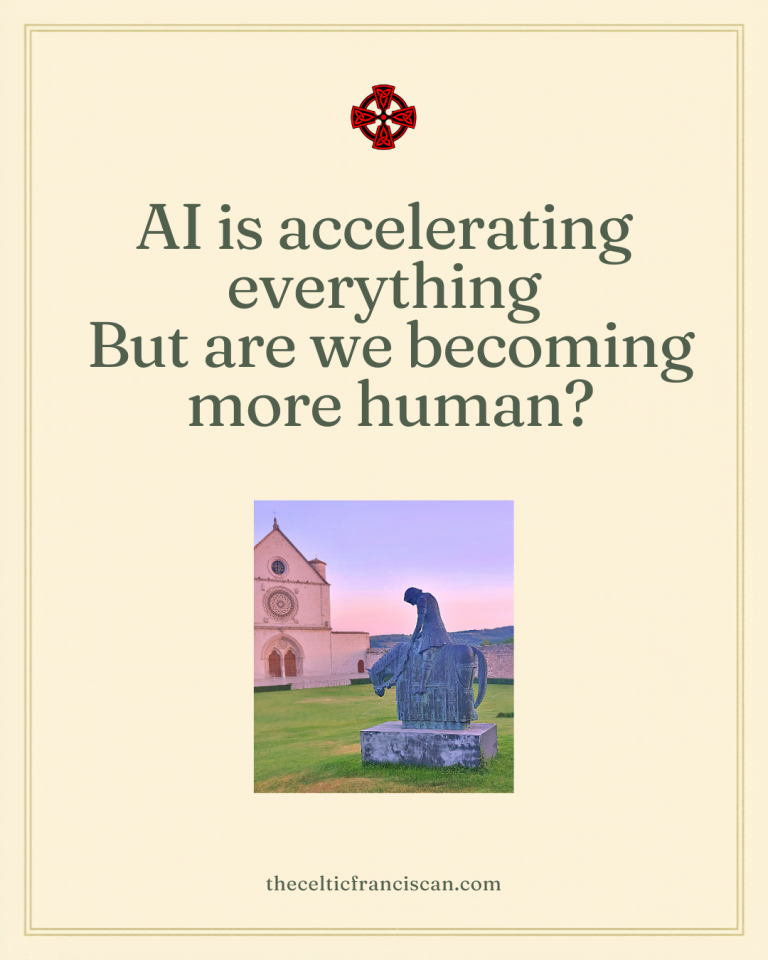
This is why contemplation matters in the age of AI and acceleration.
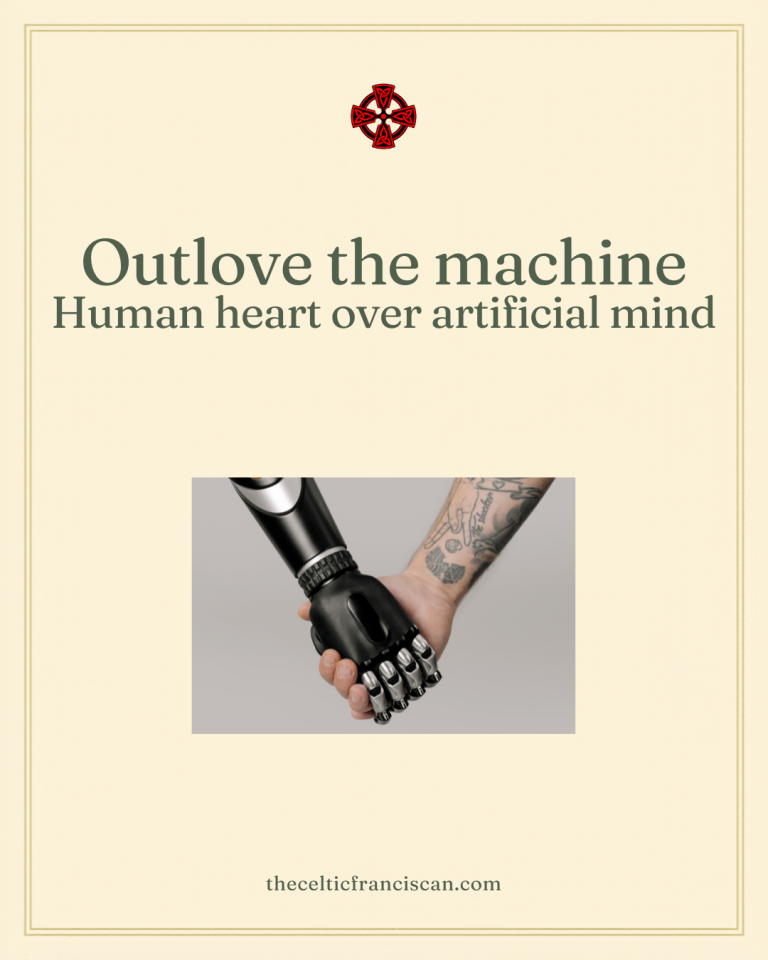
Machines process information.
But contemplation teaches communion.
Algorithms fragment attention.
Contemplation restores awareness.
Consumer culture says, “Become more.”
The Spirit whispers, “Become present.”
The goal is not self-erasure.
The goal is alignment.
To become an echo of divine love in the world.
To allow your life to reverberate with compassion, mercy, courage, beauty, and presence.
Not because you manufactured holiness.
But because love is already speaking through you.
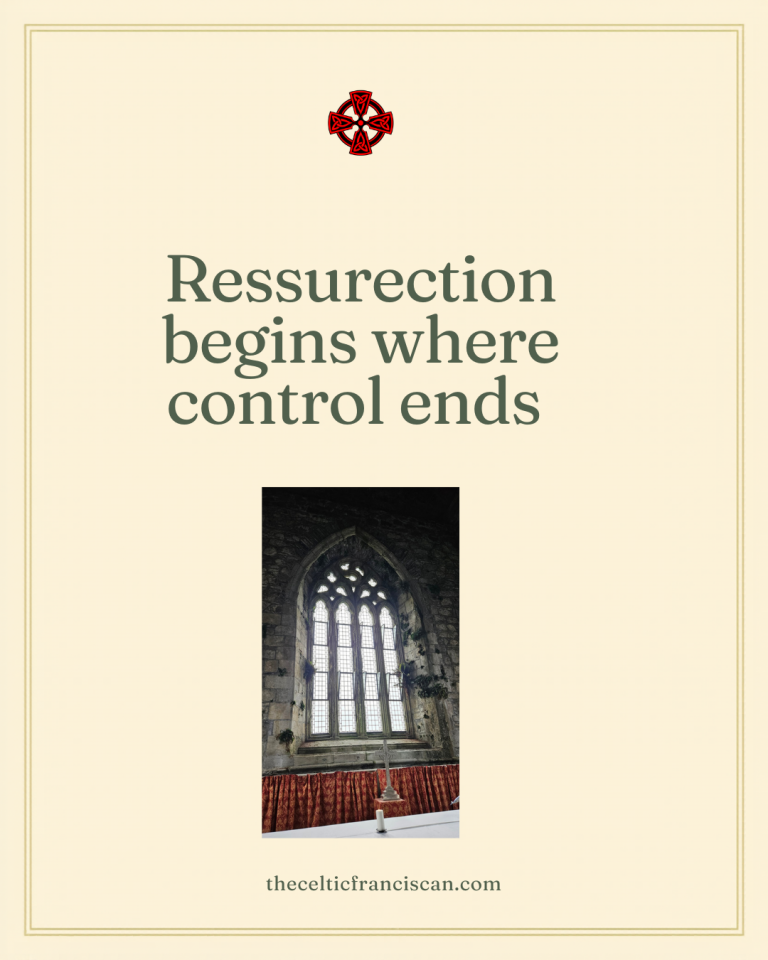
As the mystics remind us, the deepest spiritual life is not achieved. It is awakened to.
You are not abandoned in a cold universe trying to force meaning into existence.
You are already held within the great Music of Being.
And your soul is learning how to sing along.
Practice: Listen for the Echo
Today, practice receiving existence as gift rather than achievement.
- Sit silently for ten minutes without trying to fix or accomplish anything.
- Breathe slowly and notice the simple miracle of being alive.
- Repeat quietly: “I am held in Love.”
- Spend time outdoors noticing creation without analyzing it.
- Listen more than you speak in one conversation today.
- Notice moments when fear or ego tries to make you grasp for control.
- Ask gently: “What would it mean to live as an echo of divine love?”
Contemplation begins when we stop trying to manufacture meaning and start learning how to receive it.