September 2025



Share via:

I recently finished “The Purpose of Power” by Alicia Garza about building and executing justice movments and I thought this was a good checklist of what a movement should be/do: Share via: Facebook X (Twitter) LinkedIn More
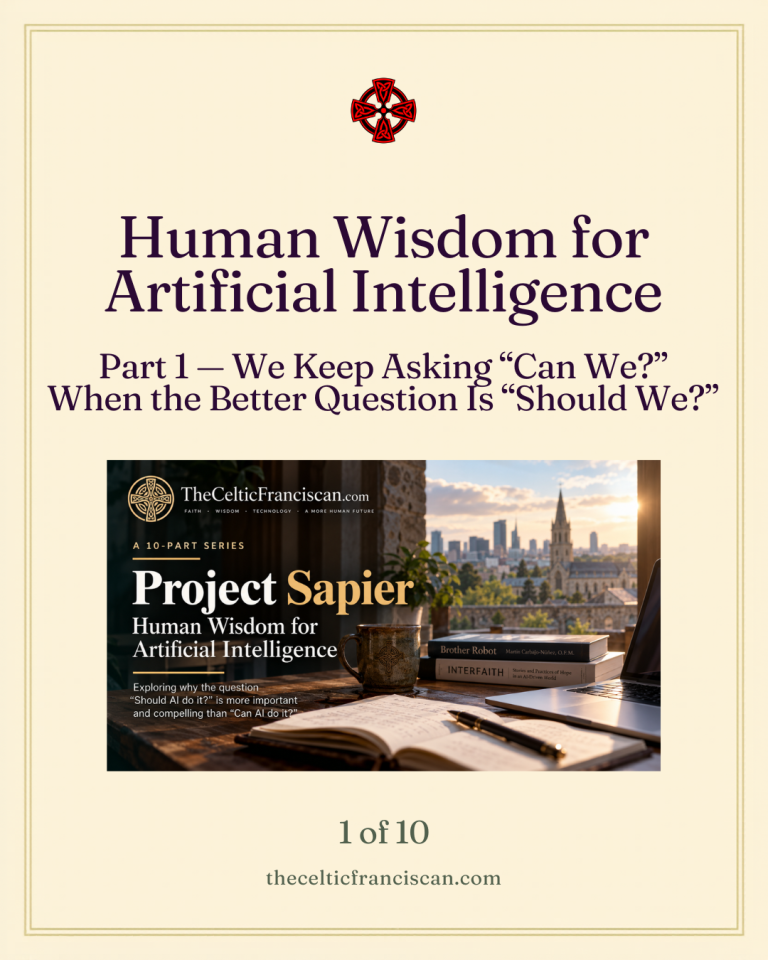
Part 1 — We Keep Asking “Can We?” When the Better Question Is “Should We?” Artificial intelligence keeps making the question “Can we?” easier to answer. Can we automate this workflow? Can we replace this task? Can we predict this customer’s behavior? Can we have a machine draft the email, conduct the interview, tutor the…
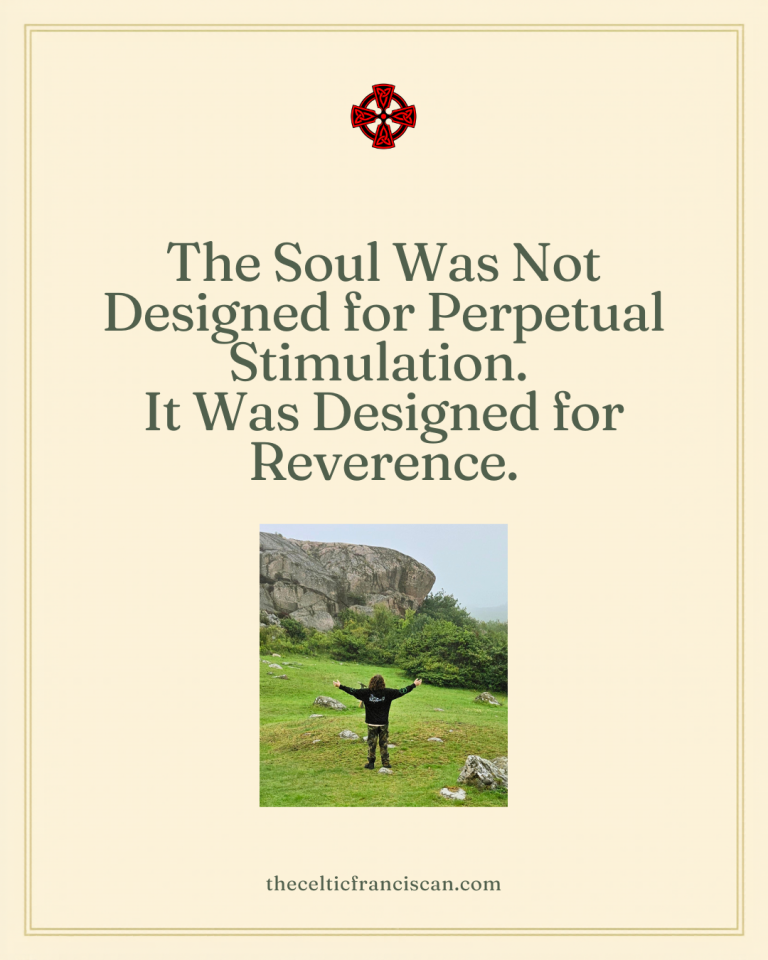
Why Constant Stimulation Cannot Satisfy the Soul The soul was not designed for perpetual stimulation. It was designed for reverence. That may be one of the most countercultural sentences we can speak in the age of artificial intelligence, smartphones, social media, breaking news, productivity hacks, algorithmic outrage, and the endless scroll. We live in a…

Can you love? I asked GPT 5 if it could love and this is what it replied: In today’s world, technology advances faster than our ability to process its implications. Artificial intelligence is learning to generate text, art, and even responses that feel compassionate. It’s natural to ask: can AI think, empathize… even love? The…

The rise of artificial intelligence has created both awe and anxiety. AI can write essays, generate art, mimic human speech, and increasingly shape decisions about justice, healthcare, and security. Yet for all its capabilities, AI cannot hope. Hope is a virtue grounded not in prediction or processing power, but in trust, vulnerability, and faith. Still,…

Artificial intelligence can imitate empathy, but it cannot offer presence, suffering-with, or love. The distinction matters more than we realize. Technology can simulate care. It cannot love. We are entering a world where machines can sound like us. They can respond with empathy. They can mirror emotional language. They can even feel convincing. But imitation…